About Silk Waste Yarn
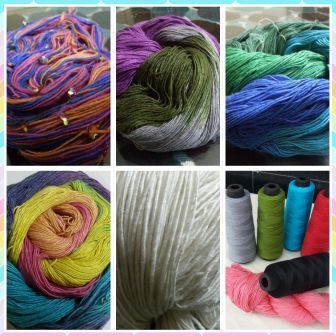
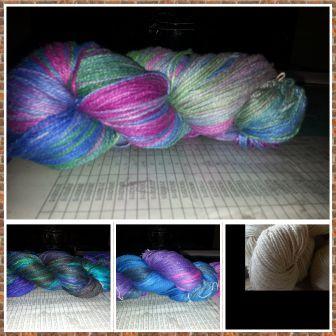
We bring you the best quality 6nm/1 silk waste yarns produced in our state of the art spinning mill. This yarn is made from Silk Waste Fiber Length below 20mm. Available in dyed and un-dyed versions.. presented in cones and hanks as per your requirements. Yardage is 600 meters/100 gms, can we used in weaving feswa, also in hand knitting & corcheting.
Key Features
- Eco-friendly
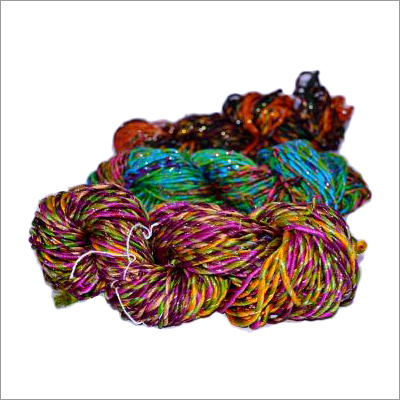
- Hand dyed
- Soft and Shiny
- 100% Silk
Eco-Friendly and Sustainable SourcingProduced from reclaimed silk waste, this yarn supports environmentally conscious manufacturing. Its recyclable and biodegradable properties cater to the growing demand for sustainable yarns in the textile industry. Choosing this yarn promotes resourcefulness while minimizing environmental impact.
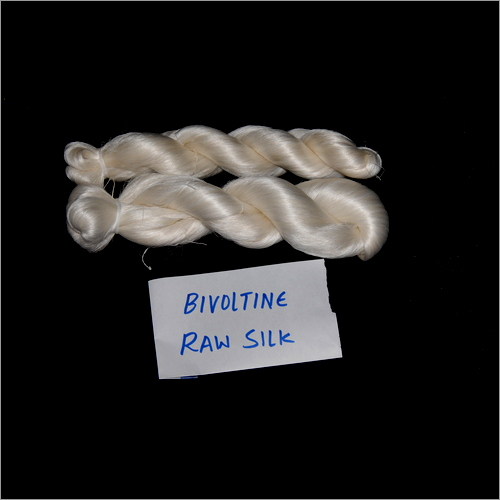
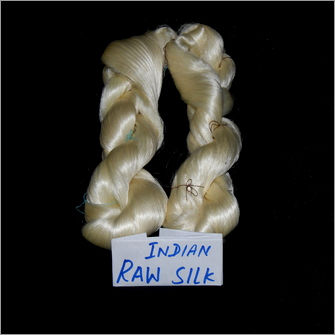
Versatile Uses Across Textile CraftsIdeal for multiple craft styles including handloom, knitting, weaving, embroidery, and carpet-making, silk waste yarn is prized for its medium strength and unique texture. Its natural off-white shade and untreated finish offer versatility, allowing artisans to explore both traditional and experimental techniques.
Unique Features and Yarns CharacterWith a soft handle, moderate moisture regain, and a distinctive lustre, this spun silk yarn is both comfortable and visually appealing. Minor impurities and its matte to semi-glossy appearance add to its charm, making every finished product unique and authentic.
FAQs of Silk Waste Yarn:
Q: How is silk waste yarn produced from silk waste?
A: Silk waste yarn is created by spinning short staple fibers that are left over from the reeling or processing of raw silk. This process involves cleaning, carding, and spinning the leftover fibers, resulting in a soft yet durable yarn with a distinct texture and natural character.
Q: What are the main benefits of using silk waste yarn in crafts and textiles?
A: Silk waste yarn is eco-friendly, biodegradable, and lightweight, making it ideal for sustainable projects. It also exhibits a natural crimp, moderate tensile strength, and good moisture absorption, offering both comfort and aesthetic appeal to handwoven fabrics, knitting, and embroidery.
Q: When should I choose silk waste yarn over other types of silk yarn?
A: Silk waste yarn is best suited for projects that value texture, sustainability, and natural aesthetics. It excels in handwork, crafts, and fabrics where minor irregularities add to the products uniqueness, such as carpets, home furnishings, and artisanal garments.
Q: Where can silk waste yarn be sourced, and in what forms is it available?
A: This type of yarn is widely available from exporters, manufacturers, and wholesalers in India. It can be purchased in forms such as hanks or cones, catering to the needs of small-scale artisans and large-scale textile producers alike.
Q: What is the typical process for working with unbleached, unprocessed silk waste yarn?
A: Due to its raw, untreated nature, silk waste yarn may require gentle handling and, if desired, pre-washing to remove minor impurities. Artisans often dye the yarn or use it as-is for a natural look, then knit, weave, or embroider it as needed.
Q: How does the yarns low twist affect its performance in textile applications?
A: A low twist results in a softer, bulkier yarn that enhances the texture of knitted or woven products. However, it may require careful handling during crafting, particularly when creating items that need higher structural integrity.
Q: What properties make silk waste yarn suitable for eco-conscious projects?
A: Its origin from recycled silk makes it inherently eco-friendly, while its biodegradable nature ensures minimal environmental impact after use. Additionally, unbleached and untreated finishing maintains its sustainability profile.




 Send Inquiry


 Send Inquiry