About Kibisu Silk Waste
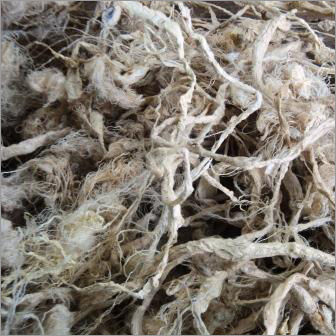
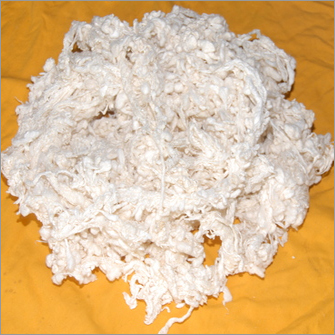
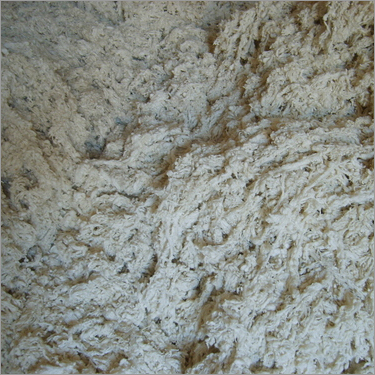
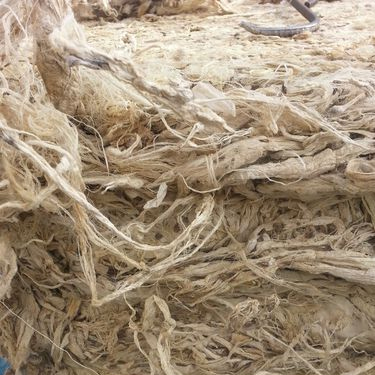
Our portfolio of silk by-products include silk waste obtained post reeling of silk from cocoons. We bring you the A1 grade silk waste Kibisu, Frison at the most reasonable price.
Features
- Fully dried
- Packaged in bales of 125 kgs
Applications Across IndustriesKibisu Silk Waste serves multiple industrial purposes, including spinning yarn, weaving textiles, reeling, blending with other fibers, creating handicrafts, and making paper. Its coarse texture and biodegradable nature make it particularly valuable for eco-conscious brands.
Packaging and Storage GuidelinesThis silk waste is securely packaged in bales or bags, ensuring safe transit and handling. For optimal preservation of fiber quality, Kibisu Silk Waste should be stored in a dry, cool environment. Harvested throughout the year, it remains readily available for producers and traders whenever needed.
Durability and Sustainability FeaturesMade from 100% natural mulberry silk, Kibisu Silk Waste boasts exceptional durability despite its raw finish and fibrous texture. Its eco-friendly and biodegradable properties position it as a preferred choice for sustainable product manufacturers seeking both performance and environmental responsibility.
FAQs of Kibisu Silk Waste:
Q: How is Kibisu Silk Waste typically processed before use in reeling or spinning?
A: Kibisu Silk Waste undergoes cleaning and degumming to remove natural gum and impurities, followed by blending, carding, or spinning based on the desired end application, such as yarn production or fiber blending.
Q: What are the main applications for Kibisu Silk Waste in textile and handicraft industries?
A: This silk waste is widely used in spinning yarn, weaving, blending with other fibers, reeling for filament extraction, handicraft creation, and paper making, offering versatility for manufacturers and artisans.
Q: When is Kibisu Silk Waste available for procurement and what is the minimum order quantity?
A: Kibisu Silk Waste is harvested and supplied throughout the year, ensuring continuous availability. The minimum order quantity is 100 kg, with a supply ability of up to 5000 kg per month.
Q: Where should Kibisu Silk Waste be stored to maintain its quality and fibers?
A: It should be stored in dry, cool places to preserve fiber integrity, prevent moisture buildup, and inhibit degradation caused by environmental factors.
Q: What makes Kibisu Silk Waste a beneficial choice for eco-friendly product manufacturing?
A: Being 100% natural, biodegradable, and durable, Kibisu Silk Waste aligns with sustainability goals, making it ideal for brands prioritizing environmentally responsible production.
Q: Can Kibisu Silk Waste be blended with other materials for diverse product outcomes?
A: Yes, its fibrous texture and moderate moisture content allow easy blending with other natural or synthetic fibers, enhancing the properties of the final product in textiles or paper.
Q: What is the typical packaging type for Kibisu Silk Waste during export or bulk supply?
A: It is usually packed in either bales or bags, designed to facilitate handling, transportation, and preserve product quality throughout the supply chain.



 Send Inquiry


 Send Inquiry